
The Truth About Female Hair Loss: Understanding Causes and Solutions
Female hair loss affects up to 40% of women by age 50 and can occur at any age, stemming from hormonal changes, genetics, medical conditions, and lifestyle factors. While often emotionally devastating, today’s women have more effective options than ever before—from FDA-approved medications and cutting-edge therapies to non-surgical hair replacement solutions like those offered at HRC Dayton, which provide immediate, natural-looking results without surgery or medication side effects. With proper diagnosis and personalized treatment approaches, most women can successfully address their hair loss and regain both their hair and confidence.
Female Hair Loss: More Common Than You Think
Many women suffering from hair loss feel isolated, but the reality is that female hair loss is remarkably common. By age 50, up to 40% of women experience noticeable hair loss, and it can begin at any age, even in the 20s and 30s. Unlike the receding hairline typical in men, women usually notice a widening part, overall thinning throughout the scalp, and a smaller ponytail volume.
When supporting a partner or loved one with hair loss, understanding that this experience can profoundly affect a woman’s self-image and emotional well-being is crucial. Hair is deeply connected to femininity in our culture, making hair loss particularly traumatic for many women.

Female Hair Growth Cycle Explained
To understand hair loss, it helps to know how hair naturally grows. Each strand follows a predictable cycle:
- Anagen phase (growth): Lasting 2-8 years, about 90% of your hair is in this active growing phase at any time.
- Catagen phase (transition): A short 2-3 week period when hair follicles shrink and growth stops.
- Telogen phase (resting): A 2-4 month period after which the hair falls out, making way for new growth.
It’s normal to lose 50-100 hairs daily as part of this cycle. Hair loss occurs when this cycle is disrupted—when more hairs enter the resting phase, fewer new hairs grow, or the growth phase shortens.
Common Causes of Female Hair Loss
1. Female Pattern Hair Loss (FPHL)
The most common type of hair loss in women is Female Pattern Hair Loss (FPHL), affecting up to 30 million American women. This genetic condition typically becomes more prominent during or after menopause, suggesting hormones play a significant role. With FPHL, hair follicles gradually shrink, producing thinner, shorter hairs until they eventually stop growing altogether.
Unlike the distinctive balding patterns in men, women with FPHL usually experience diffuse thinning across the crown while maintaining their frontal hairline.
2. Hormonal Changes
Significant hormonal shifts can trigger or worsen hair loss:
- Menopause: Estrogen decline during menopause can accelerate hair thinning in genetically predisposed women.
- Pregnancy and postpartum: Many women experience increased hair shedding 3-6 months after childbirth as hormone levels normalize.
- Thyroid disorders: Both hyperthyroidism and hypothyroidism can cause diffuse hair loss.
- PCOS: Women with Polycystic Ovary Syndrome often experience hair loss due to elevated androgens (male hormones).
3. Stress and Trauma
A condition called telogen effluvium can cause sudden, dramatic hair loss following physical or emotional stress. During highly stressful periods, hair shifts prematurely from the growth phase to the resting phase, resulting in increased shedding up to 300 hairs daily instead of the normal 50-100.
Common triggers include:
- Major psychological stress or trauma
- Surgery or serious illness
- Significant weight loss
- High fever or severe infection
4. Nutritional Deficiencies
Your hair requires proper nutrition. Common deficiencies linked to hair loss include:
- Iron deficiency (with or without anemia)
- Vitamin D deficiency
- Protein malnutrition
- Crash diets or extreme caloric restriction
5. Medical Treatments and Conditions
Several medical factors can contribute to hair loss:
- Medications: Chemotherapy, certain blood pressure medications, and some antidepressants
- Autoimmune conditions: Alopecia areata, lupus, and other autoimmune disorders
- Scalp infections: Fungal infections like ringworm
- Excessive styling and treatments: Chemical treatments, tight hairstyles, and heat styling
Effective Solutions for Female Hair Loss
Medical Treatments
Several medical approaches have proven effective:
- Topical Minoxidil: Available over-the-counter in 2% and 5% formulations, minoxidil (Rogaine) is FDA-approved specifically for female pattern hair loss. Applied directly to the scalp, it stimulates hair follicles and extends the growth phase. Results typically appear after 3-6 months of consistent use.
- Low-Level Laser Therapy: FDA-approved laser caps and combs use low-energy light to stimulate follicles and improve cellular function in the scalp.
- Advanced Treatments: Procedures like platelet-rich plasma (PRP) therapy and microneedling show promising results for many women by stimulating natural hair growth.
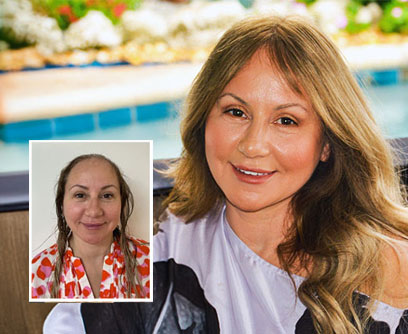
Non-Surgical Hair Replacement at HRC Dayton
At Hair Replacement Clinic in Dayton, we specialize in non-surgical hair replacement solutions that provide immediate, natural-looking results without the limitations of medications or surgery.
Our custom-designed women’s hair replacement systems use the highest quality human hair, matched perfectly to your natural color, texture, and density. Unlike traditional wigs, these systems are:
- Securely attached for an active lifestyle
- Custom-designed for your specific needs
- Virtually undetectable, even up close
- Maintainable with normal shampooing and styling
- Immediately effective with no waiting period
For women experiencing significant hair loss, non-surgical hair replacement offers several advantages:
- Immediate restoration of full, natural-looking hair
- No side effects or recovery time
- Ability to style, color, and treat like natural hair
- Freedom from daily topical treatments
- Restoration of confidence right away
Lifestyle Approaches to Support Healthy Hair
In addition to professional treatments, these approaches can support overall hair health:
- Nutritional support: Ensure adequate protein, iron, vitamin D, and B vitamins through diet or supplements as recommended by your healthcare provider.
- Stress management: Since stress can trigger or worsen hair loss, practices like meditation, yoga, and adequate sleep may help.
- Gentle hair care: Minimize damage by:
- Avoiding tight hairstyles that pull on follicles
- Reducing heat styling and harsh chemical treatments
- Using gentle, sulfate-free shampoos
- Limiting vigorous brushing of wet hair
Taking the First Step: Consultation at HRC Dayton
The most important first step is proper diagnosis. At HRC Dayton, our consultations include:
- Thorough examination of your scalp and hair loss pattern
- Discussion of your medical history and potential contributing factors
- Personalized recommendations based on your specific needs
- Compassionate support from specialists who understand the emotional impact of hair loss
Whether you’re experiencing the early stages of thinning or more advanced hair loss, our team provides judgment-free guidance on the most appropriate solutions for your unique situation.
Conclusion: Yes, There Is Hope!
Hair loss can be an emotionally difficult experience for women, but it’s important to know that effective solutions exist. With proper diagnosis and a personalized approach, most women can successfully address their hair loss.
At HRC Dayton, we know first-hand the profound impact hair loss can have on a woman’s confidence and quality of life. Our non-surgical hair replacement solutions and surgical hair restoration options offer immediate, natural-looking results that can transform not just your appearance, but how you feel about yourself.
If you or someone you care about is experiencing hair loss, we invite you to schedule a confidential consultation. With today’s advanced options, there is absolutely no reason to continue struggling with hair loss alone.
